

Walking a Thousand Miles
I didn't have the use of my legs when I was in the hospital this past year, so I wound up watching lots of videos online of people walking in the English countryside, hiking in the Swiss alps, that sort of thing. Watching other people walk made me happy and helped me fantasize about walking myself. I wrote in my journal "Tonight I walked a thousand miles in my dreams," hoping that would help me walk in real life.
I didn't have the use of my legs when I was in the hospital this past year, so I wound up watching lots of online videos of people walking. They cavorted in the Cotswold countryside, sashayed along the Swiss alps, dub-stepped in Dublin.
Watching other people walk made me happy and helped me fantasize about walking myself one day. I wrote in my journal: "Tonight I walked a thousand miles in my dreams," hoping that image would help me walk in real life.
This song comes from those journal entries.
Feet on the ground, the sky stretched wide, a compass turning deep inside
The road is long, but I'm alive Each step I take, I learn to thrive
Walking a thousand miles tonight Inside my dreams, I'm taking flight
With every breath, the stars align This journey's mine, this path divine
With forged limbs and healing skin I rose through fire to stand again
Each fall became a higher climb Each fracture marked by sacred time
Walking a thousand miles tonight Inside my dreams, I'm taking flight
With every breath, the stars align This journey's mine, this path divine
Inside the silence, I heard my name, not who I was, but who I became
Threaded through time, the wounded song. I've been the ache, and now the strong.
Walking a thousand miles through flame, unbound, unbroken, shedding shame The stars ignite beneath my skin. I walk restored, I walk within.
© 2025 Billy Lee Myers Jr
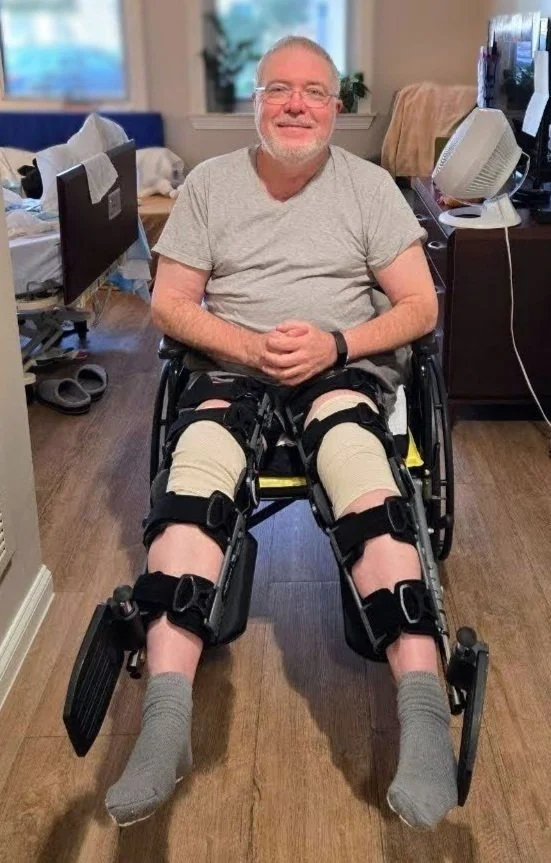
Dreaming of Walking

Depression
Depression is a common and treatable condition, and it’s important to know that you're not alone in this struggle. Scores of people are feeling much the same feeling you are right in this moment. Your feelings are valid, and it's okay to not be okay right now. Remember that you are strong and capable, even if you don't feel like it at the moment.

Depression can be improved, honest!
Depression is a common and treatable condition, and it’s important to know that you're not alone in this struggle. Scores of people are feeling much the same feeling you are right in this moment. Your feelings are valid, and it's okay to not be okay right now. Remember that you are strong and capable, even if you don't feel like it at the moment.
You have all the qualities and abilities to get through this challenging time. You've shown resilience by seeking help, which is a significant step towards recovery. It's important to focus on small, manageable goals and take things one day at a time.
You matter, and your life has value. Depression may make you feel otherwise, but be assured you are worthy of love and belonging. Your presence is important to those around you, even if it's hard to see that right now.
Recovery is a process, and it's okay to have ups and downs along the way. It’s important to notice both the difficult moments and the victories, no matter how small they may seem. You have the strength within you to overcome this. You are on the path to rediscover that strength, one step at a time.
Here are some self-regulating strategies to do just that:
1. Grounding Techniques (For Overwhelming Moments)
5-4-3-2-1 Method: Identify 5 things you see, 4 things you touch, 3 things you hear, 2 things you smell, and 1 thing you taste.
Temperature Change: Hold ice cubes, splash cold water on your face, or take a warm bath to shift focus.
Deep Breathing: Try box breathing (inhale 4 seconds, hold, exhale 4, hold, repeat 10 times) to calm your nervous system.
2. Emotional Regulation (For Processing Feelings)
Journaling: Write down your thoughts freely, or try structured prompts like, *"Today, I felt… because…"
Name the Emotion: Instead of saying, "I feel bad," be specific— "I feel lonely," or "I feel lost." Naming emotions reduces their intensity.
Talk to Someone: Share your feelings with a friend, therapist, or support group.
3. Mindfulness & Meditation (For Mental Clarity)
Body Scan Meditation: Close your eyes and mentally scan from head to toe, noticing sensations without judgment.
Loving-Kindness Meditation: Silently send good wishes to yourself and others: *"May I be at peace. May I be safe. May I heal."
Mindful Walking: Walk slowly, focusing on each step, the feeling of the ground, and your breath. This is very helpful if it’s hard to sit still for seated meditation.
4. Physical Self-Regulation (For Energy & Stability)
Gentle Exercise: Yoga, stretching, or a short walk can release endorphins.
Progressive Muscle Relaxation (PMR): Tense and relax different muscle groups to release tension. Also helpful for dropping off to sleep.
Hugging Yourself: Cross your arms and squeeze gently—it can activate calming brain chemicals.
5. Creating Small Routines (For Structure & Comfort)
Morning & Night Rituals: Even small habits like making tea, reading a comforting book, or lighting a candle can bring stability.
Set a "Next Step": Instead of overwhelming to-do lists, ask, *"What is the next small thing I can do?"*
💙

ADHD Strategies
The first thing to know: you are not broken. Your brain just works differently, and that’s okay. Some of the very qualities that make life challenging—your creativity, energy, and unique way of seeing the world—are also your greatest strengths. You don’t have to fit into a mold that wasn’t made for you. Instead, let’s find ways to make life work for you.

Sometimes, the world conspires to distract us.
The first thing to know: you are not broken. Your brain just works differently, and that’s okay. Some of the very qualities that make life challenging. Your creativity, energy, and unique way of seeing the world, are also your greatest strengths. You don’t have to fit into a mold that wasn’t made for you. Instead, let’s find ways to make life work for you.
It’s okay if some days feel harder than others. Progress isn’t about perfection; it’s about small steps forward. You are learning, growing, and finding strategies that help you thrive. Be kind to yourself, and remember, you’re not alone in this. You have strengths, and you are capable. You always, always deserve respect.
1. Structuring Daily Life
Use a Planner or Digital Tools: Writing down tasks and setting reminders can help with forgetfulness. Apps like Todoist or Google Calendar can be useful.
Break Tasks into Steps: Large tasks can feel overwhelming. Breaking them into small, manageable steps makes them more approachable.
Create Routines: A consistent morning, work, and bedtime routine can improve focus and reduce decision fatigue.
2. Managing Attention & Focus
The Pomodoro Technique: Working in 25-minute intervals with 5-minute breaks helps maintain attention.
Noise Management: White noise, instrumental music, or noise-canceling headphones can reduce distractions.
Change Environments: A new setting, such as a café or a different room, can help sustain focus.
3. Regulating Emotions
Mindfulness & Meditation: Simple breathing exercises or guided meditation can improve impulse control and emotional regulation.
Name the Emotion: Acknowledging feelings ("I feel frustrated because...") can make them easier to manage.
Physical Outlets: Activities like walking, stretching, or even fidget toys can help release excess energy.
4. Reducing Procrastination
Body Doubling: Working alongside someone (even virtually) can increase accountability.
"Just 5 Minutes" Rule: Telling yourself to do a task for just 5 minutes can make starting easier.
Reward System: Small rewards for completing tasks can boost motivation.
5. Improving Sleep
Consistent Sleep Schedule: Going to bed and waking up at the same time daily can improve sleep quality.
Limit Screens Before Bed: Blue light affects melatonin, so using a nighttime mode or avoiding screens before bed helps.
Exercise Earlier in the Day: Regular movement can improve sleep but should be done at least a few hours before bedtime.
💙

Sleep
Sleep is like candy to me; I love it! Snuggled under the covers, it’s dark and peaceful. I don’t have anywhere to be and there are no emails to read, no case notes to write. My pillow cradles my head and whispers to me “Shhhh. There’s nothing to worry about,” as I drift off in the arms of sleep’s loving embrace.

Waiting For Sleep
Sleep is like candy to me; I love it! Snuggled under the covers, it’s dark and peaceful. I don’t have anywhere to be and there are no emails to read, no case notes to write. My pillow cradles my head and whispers to me “Shhhh. There’s nothing to worry about,” as I drift off in the arms of sleep’s loving embrace.
At least some nights.
On other nights, my bedroom is a battlefield. I fight all night long, just for a few moments of rest. Not being able to sleep can feel incredibly frustrating and exhausting. It can be a physical and mental drain, leading to emotional dysregulation.
You might have felt this too. Every noise is an alert to danger. We can feel every aching muscle, headaches. The longer the night drags on, we can feel a sense of dread, worrying about the impact of sleep deprivation on the next day. We toss and turn and feel unable to relax.
The day after disrupted sleep confirms our worst fears: mental fog, difficulty concentrating, making decisions, remembering simple things. On the emotional level, we can feel irritability, anxiety, and even depression.
Why is sleep so important?
Each week it seems I’m reading another article about the benefits of sleep. Up until now, the exact process of sleep has been poorly understood, but that is rapidly changing. Not only do we want our eight hours of sleep each night to feel better the next day, sleep gives us several benefits.
On the Physical Level: During sleep, your body repairs tissues, cells, and muscles. This is essential for growth, development, and recovery from physical activity. This is why athletes prioritize sleep for optimal performance. Sleep helps with hormone regulation, including growth hormone, cortisol and adrenaline. These hormones play important roles in growth, stress response and metabolism. Speaking of metabolism, sleep regulates the hormones that regulate appetite and can help you maintain a healthy weight.
Sleep reduces the risk of chronic diseases like diabetes, high blood pressure and obesity. Sleep plays an important role in regulating blood pressure and heart rate. Adequate sleep can reduce the risk of heart disease and stroke. While you sleep your body produces cells that help fight off infections; sleep is crucial for maintaining a strong, healthy immune system, making you less susceptible to illness.
Of course when we are well rested, we have much more energy throughout the day.
On the Mental Level: Sleep is vital for memory consolidation, learning, and problem-solving. It helps your brain process information and store it for future use. If you are taking a test on Saturday, the best predictor on how well you perform on the test is eight hours of sleep Friday night. Sleep helps you think more clearly. Do you want your surgeon to practice brain surgery on you hung over with two hours of sleep? Me neither.
On the Emotional Level: Adequate sleep can improve mood, reduce stress, and help manage anxiety and depression. Good mental health starts with a good night’s sleep, ideally eight hours.
What causes sleepless nights?
There is a long list of issues that can disrupt our sleep; here are just a few.
Stress. Emotional stress can significantly disrupt sleep patterns. Practice stress reduction techniques like meditation, mindfulness, deep breathing exercises, yoga, Thai Chi.
Excessive Screen Time. Blue light emitted from devices can suppress melatonin production, making it harder to fall asleep. Endless scrolling on social media or news feeds can also stimulate your brain at the very time you want to calm it down. Switch to paper books or relaxing audio books later in the evening.
Medical Conditions. There are a variety of medical conditions like heart disease, asthma, and thyroid disorders that can affect sleep. So can chronic pain, sleep apnea, depression, anxiety, bipolar disorder. Some medications can disrupt sleep as well. Talk to your doctor about any medications you are taking that might contribute to sleepless nights and take those medications early in the day.
Rumination and Catastrophizing. Some nights you might not sleep; this happens to everyone. That doesn’t mean the world is ending. You are not going insane or losing your grip. Everything is fine, it’s just part of being human. Sleepless nights happen from time to time. You will recover from it and eventually you will sleep.
Steps for a Peaceful Night’s Sleep
Sleep Schedule. Inconsistent sleep-wake cycles can confuse your body's internal clock. Limit naps to 20 minutes or less as excessive daytime sleep can interfere with your nighttime sleep. Establish a consistent sleep schedule. Go to bed and wake up at the same time every day, even on weekends. This helps regulate your body's internal clock.
Create a Relaxing Bedtime Environment. Dim the lights: bright light can interfere with sleep. Keep your bedroom cool and quiet. A comfortable temperature and noise-free environment promote relaxation. Invest in comfortable bedding. Ensure your mattress, pillows, and sheets are supportive and inviting.
Diet. Avoid heavy meals, sugar, processed food, high fat content meals close to bedtime, as they can disrupt digestion and sleep. Avoid caffeine and nicotine. Limit alcohol before bedtime. While it might initially make you feel drowsy, it can disrupt sleep later in the night.
Engage in Relaxing Activities Read a book: a calming activity can help you wind down. Take a warm bath or shower. The warmth can relax your muscles. Practice relaxation techniques like deep breathing, meditation, or progressive muscle relaxation. These can reduce stress and anxiety.
Avoid Screen Time Before Bed. Limit exposure to electronic devices. The blue light emitted by screens can interfere with sleep. Avoid stimulating material, action movies, murder mysteries. These will rev you up when you want your mind to wind down.
Create and Follow a Consistent Bedtime Routine
A consistent bedtime routine can significantly improve sleep quality when you are struggling with getting and staying asleep. Below is an example bedtime routine. Feel free to modify the times to fit with your schedule, just remember to have your goal be eight hours of sleep per night. Consistency is key. Stick to your routine as much as possible to reap the benefits.
7:00 pm Stop consuming all caffeine, alcohol, sugar, and heavy foods. If you are sensitive to caffeine, only drink coffee or tea in the morning.
8:00 pm Practice Tai Chi, yoga, stretching.
8:30 pm Start dimming the lights. Mimic the sun going down by gradually reducing the lights 20% at a time. I’m a bit of a nerd, so I have programmable lights that gradually dim over the course of the evening.
9:00 pm Put away all screens, including phones, TVs, and computers. Practice meditation, mindfulness, body mapping, deep breathing exercises.
9:30 pm Take a hot shower. While in the shower, practice positive affirmations and gratitude. Engage in a short visualization, releasing negative energy and imagining being covered in positive and loving light.
10:00 pm Light reading, listen to a relaxing audiobook, podcast or sleep story. Have something fun to look forward to instead of dreading going to bed.
11:00 pm Bedtime.
12:00 pm Sleep (goal)
8:00 am Wake up, even on weekends.
Finally
As a bonus, I have decided to write this article in such a boring way, you will become drowsy after reading only a few paragraphs. If I have done my job correctly, you should be asleep right now and you will never read this sentence.
You’re welcome.